



Between light and architecture.
In architecture, artificial light caused a radical rethink in the modern era. Space and light are in permanent interaction with each other. The room shapes the light, the light shapes the room. Today, light is one of the most decisive design elements in modern architecture. With electronic control devices, a lighting system can be flexibly and dynamically adapted to its requirements. The targeted use of different light colors allows daytime-specific requirements to be met. Objects and rooms can be advantageously illuminated and entire buildings or cities can be set in scene.

Hanna Seiwald | Project Management Architecture & Interior Design
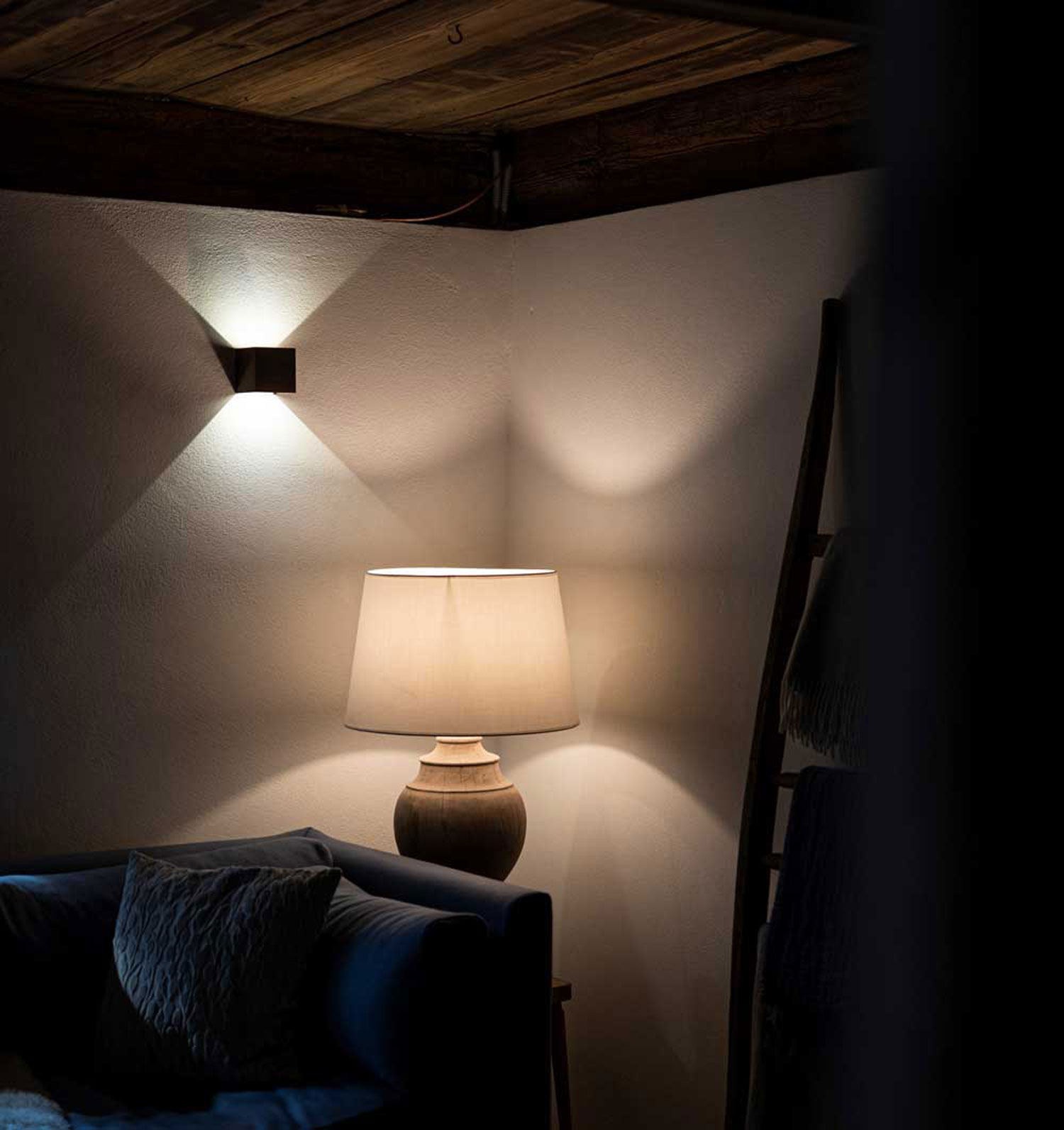
We spoke to our project manager (architecture & interior design) Hanna Seiwald about the magic of light and gained some valuable insights for clients. In the interview, she talks about the correct use of artificial and natural light and its effect on human well-being.
What significance does light have for architecture?
Hanna: Natural light has a positive effect on the room and on us humans. The minimum exposure area specified in the OIB guidelines illustrates just how important light is for us humans. As architects, we see this minimum limit as a suggestion, but our lighting requirements go far beyond this minimum.
Light has a lot to do with mood, well-being and a sense of security. That is why the targeted use of light plays an important role in architecture. Light colors in particular have an individual effect on people and have a psychological effect. Humans are natural beings and feel secure in earthy light tones. Blue tones are perceived as cool, but in color theory they stand for clarity and are ideal for workplaces or doctors' surgeries.
What do you pay particular attention to when planning a new lighting concept?
Hanna: The effect on us humans depends not only on the color of the light, but also on the intensity and direction of the light. These factors in combination create a lighting atmosphere to which we humans react.
The lighting concepts are created by us taking into account the actual light sources used and their illumination. This is because each light source always illuminates a certain radius area. The task of the lighting designers is to design rooms in such a way that every angle is well illuminated.
My job is to set the visual stage for the interior design. Here I focus particularly on direct and indirect lighting. Rooms should be bright enough, you shouldn't be dazzled or have to look up at a starry sky full of spotlights.
What should building owners consider when it comes to lighting quality?
Hanna: First of all, it depends on the client's individual requirements. Basically, however, you should pay attention to three key factors in the lighting concept. Namely the type and size of the room, the light intensity and the lighting object.
Light can widen a room or bring the walls closer, lower or raise the ceiling. The challenge is to use light in a way that emphasizes the strengths or balances out the weaknesses. Light and shadow create contours and create a positive mood. Several different light sources are good for any room.