

Timber construction and concrete construction in comparison.
Both concrete and timber construction methods have their loyal followers: solid construction has a long history and is considered the building material of the 20th century because it can fulfill many aesthetic, structural and physical requirements in the best possible way. It is considered durable and stable in value and has therefore significantly influenced the appearance of our cities.
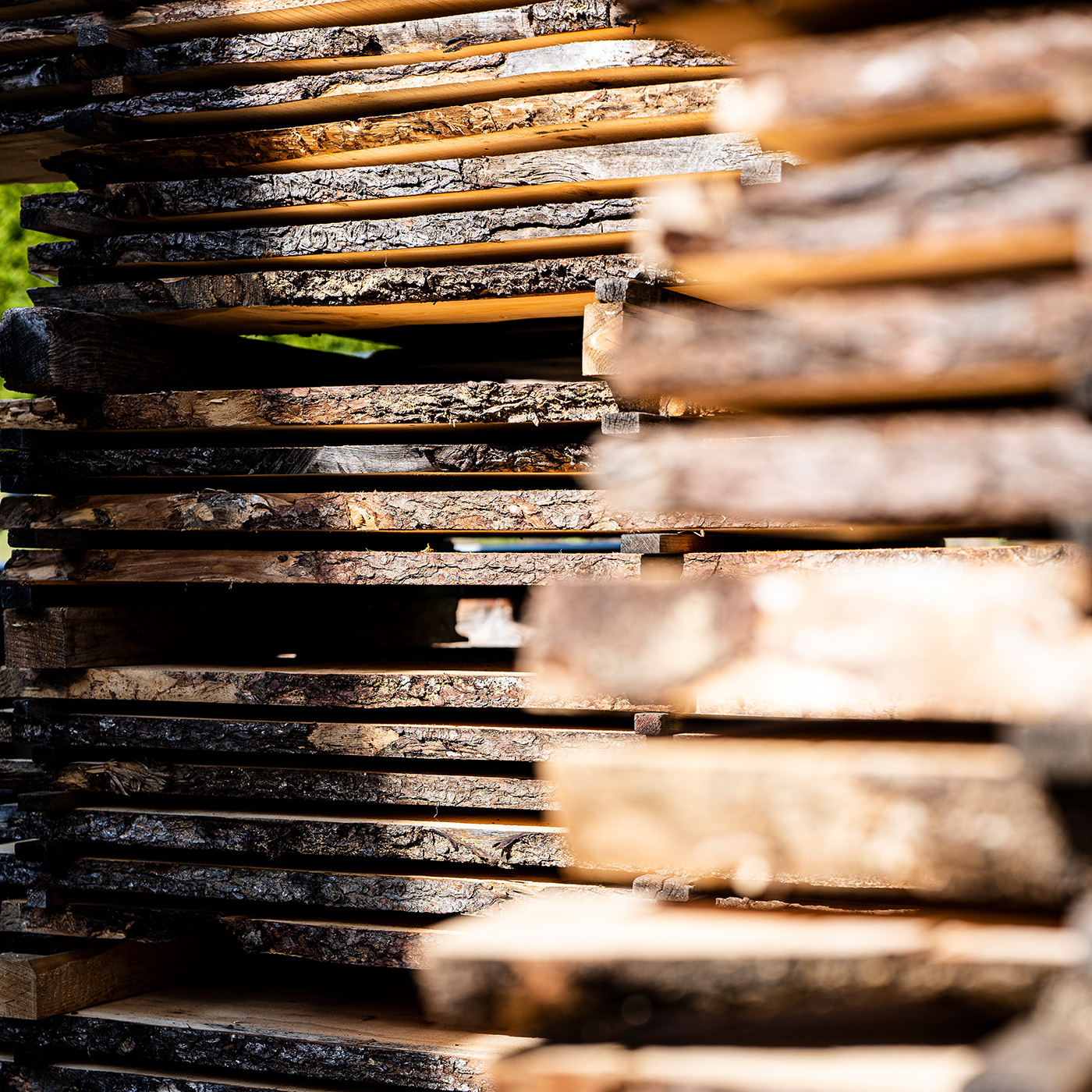
However, timber construction is also becoming increasingly popular in Tyrol and 15 percent of all new buildings are now timber houses - and the trend is rising. This is probably due to increased ecological awareness, as wood has a good reputation as a versatile, environmentally friendly and climate-neutral material. In addition, wood creates a special living atmosphere from which we can even benefit in terms of health.
CONSTRUCTION TIME, WEIGHT AND DURABILITY
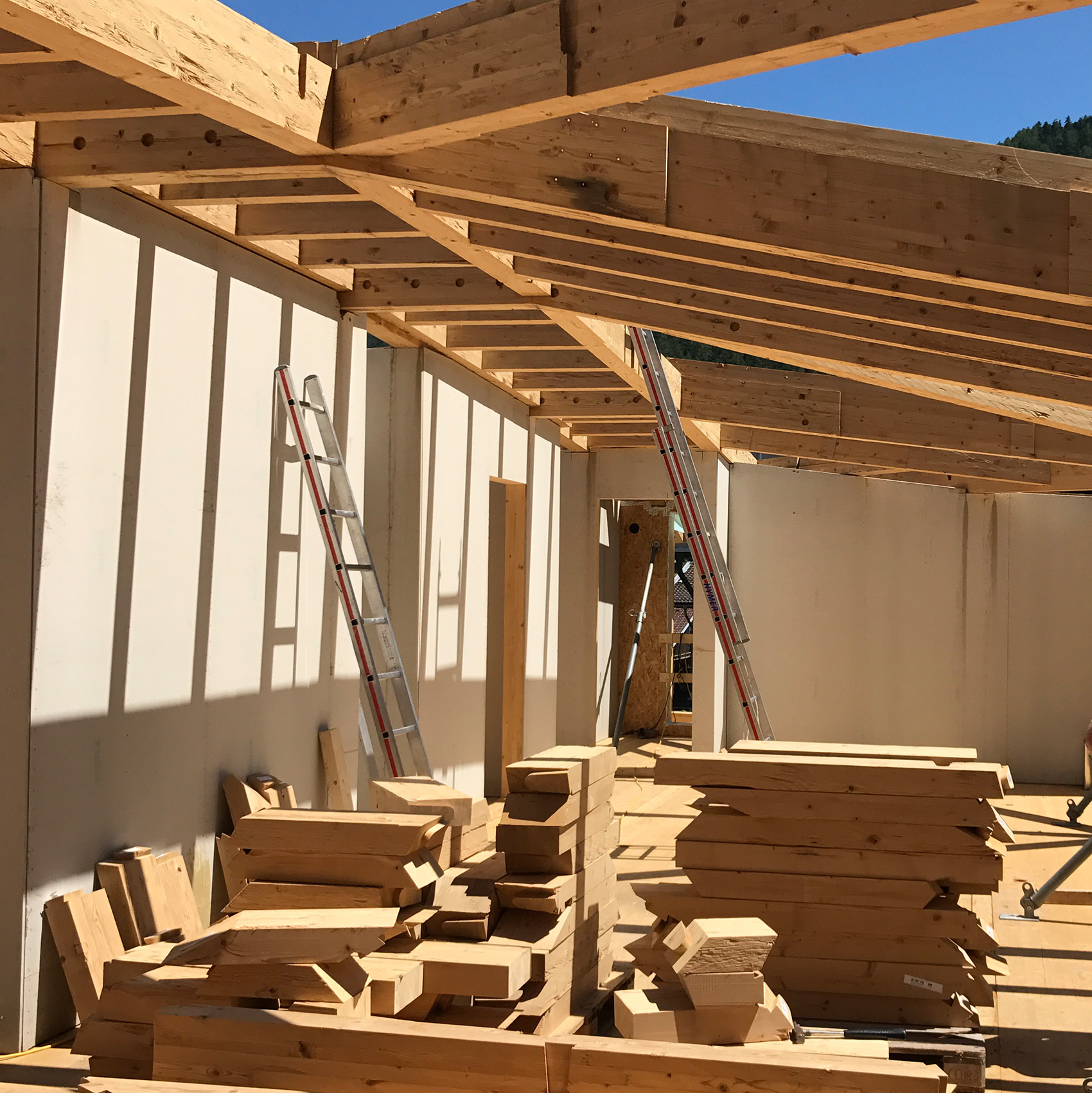
A major advantage of timber construction is the shorter construction time. This is because timber construction eliminates the drying phases that are so typical of concrete. This can lead to breaks in concrete construction, especially in winter.
In addition, certain elements of the timber house can be prefabricated to save additional time. This is one of the reasons why timber construction is very popular for adding storeys and extensions to residential buildings, for example.
The relatively low weight of wood is also a major advantage when it comes to processing and installation.
In contrast to concrete, which is considered to be very durable and weather-resistant, timber construction is still often assumed to be less durable than solid construction, even though it has a service life of over 100 years. And if some parts need to be replaced or renewed, this can be done quite quickly and easily.
NOISE PROTECTION AND HEAT REGULATION
Due to its high bulk density, concrete not only serves as excellent sound insulation, but also as an effective heat accumulator. If the house is built near a busy road, for example, this inherent noise insulation can make a significant contribution to living comfort. The heat-storing property can be used particularly effectively by using concrete floors with underfloor heating.
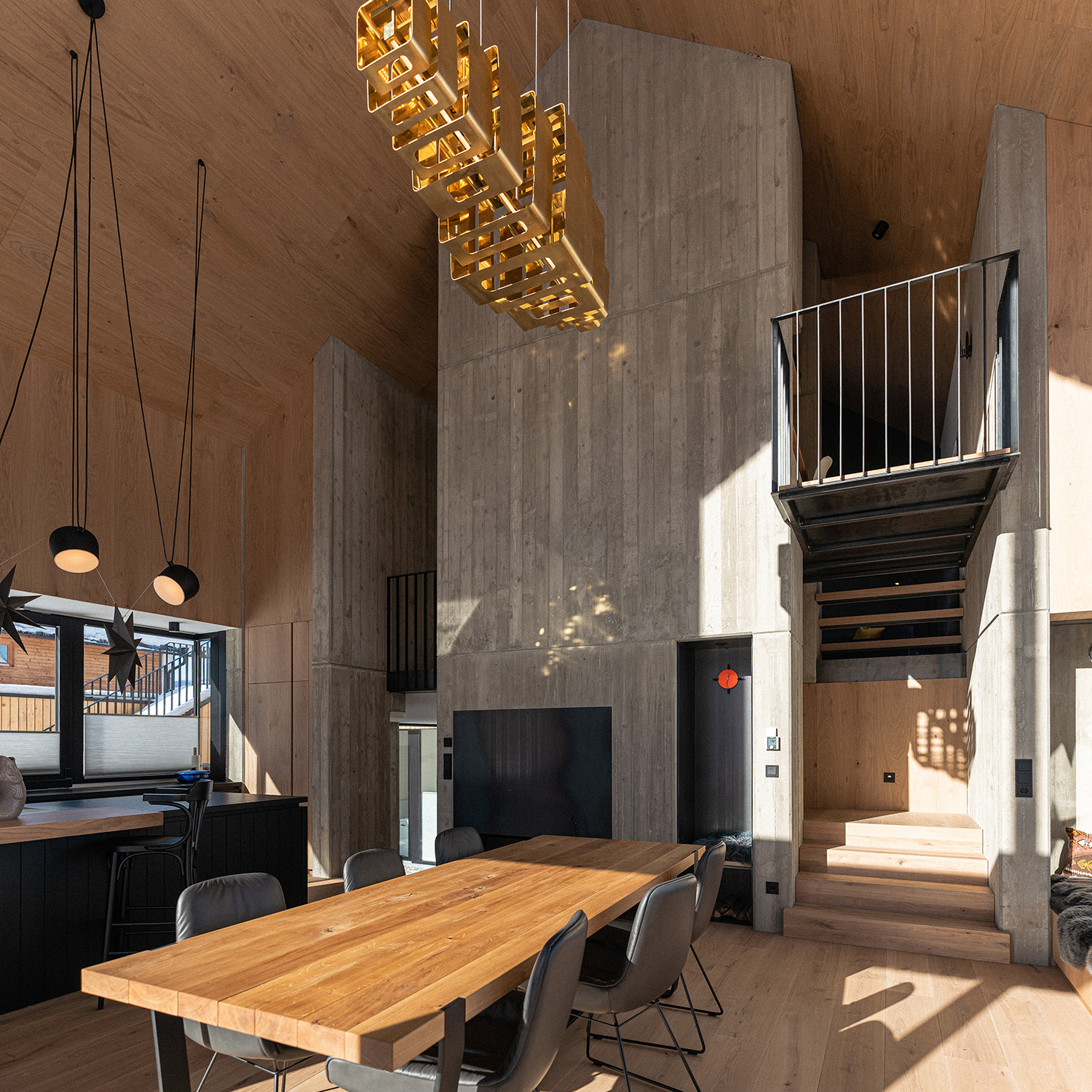
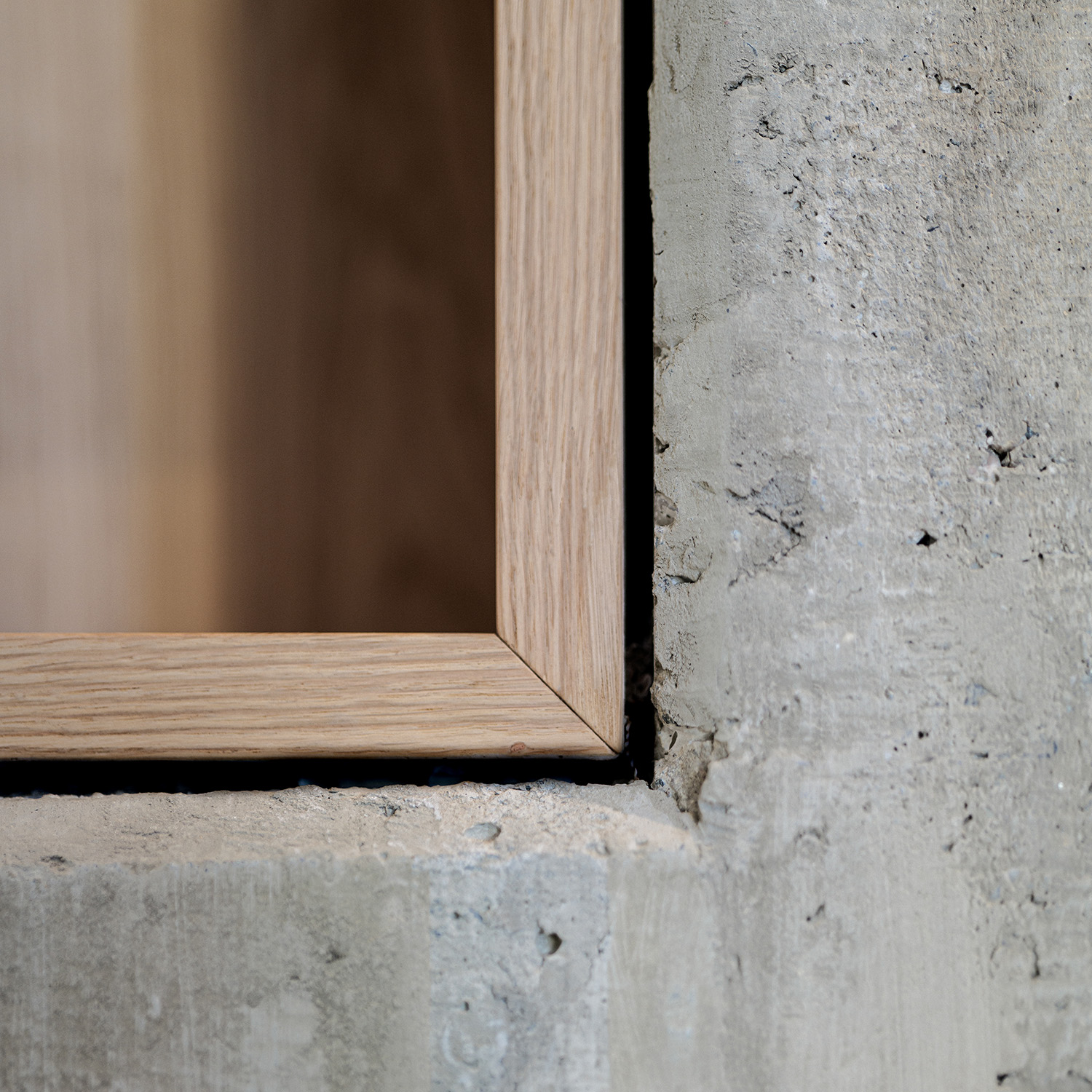
In our "High-contrast minimalism" project, for example, the building material stands out as a modern, purist style element in the form of an exposed concrete core.
However, it not only underlines the minimalist room concept: the integrated fireplace also allows the heat-storing capacity of the concrete to be used and thus heated more effectively.
The building material is also suitable for thermal component activation. The process is becoming increasingly interesting in modern architecture, as concrete components such as walls, ceilings or pillars can be used to heat or cool rooms. An integrated pipe system in which water circulates uses the ability of concrete to store thermal energy and then release it into the room.
SUSTAINABILITY
Issues such as climate change and sustainability are also becoming increasingly present in the construction sector, especially in residential construction.
Protecting the environment and resources is also a personal concern for us at SNOW.
The fact that wood, which is used as a material and building material, extends the carbon storage from the forest and thus contributes to the reduction of CO2 in the atmosphere is therefore a very strong argument in favor of timber construction. If this is then processed into durable timber products, the carbon remains bound in them for many years. From this point of view, building with wood makes particular sense.
Wood can also be further processed in the event that buildings are dismantled or converted. The recycling rate for solid buildings, on the other hand, is only around one percent. In addition, the production of concrete requires a considerable amount of fossil fuels, i.e. primary energy.
All of these are factors that need to be taken into account during the planning stage, because sustainable construction relates to the entire life cycle of a building: from planning and construction, through use and renovation, to dismantling and disposal.
LIVING ATMOSPHERE
For many, wood impresses in terms of comfort: it breathes, it works, it creaks and radiates homeliness. Houses made from this natural building material also ensure an extremely pleasant indoor climate, which is ideal for allergy sufferers and asthmatics. Timber construction has been proven to be beneficial to health, as the open-pored structure of the natural building material regulates the humidity automatically to 45-55%. This indoor climate has a calming effect on the respiratory tract.
Thanks to the possibility of concrete core activation and the associated heat regulation, the solid building material can also contribute to a good indoor climate.
Finally, it should be emphasized that the two materials can be combined quite well and that this is often done. With these hybrid buildings, good planning makes it possible for the positive properties to complement each other and offset the negative ones somewhat.
A combination of both types of construction is also very popular here in Tyrol at the moment.