
Building in existing buildings.
Increasing land scarcity and climate change are making building in existing buildings an increasingly important topic. Financial, cultural and sustainable aspects require a rethinking and optimization of existing properties.
However, building in existing buildings is generally very diverse and encompasses a wide range of areas such as maintenance and refurbishment, modernization, conversions and extensions as well as renovations.
Especially in city centers, building in and on existing buildings accounts for a growing share of the construction industry. A frequent concern here is to create additional (living) space through extensions and conversions or to be able to use the existing space more efficiently through better structuring.
SUSTAINABILITY ASPECT
Perhaps the most important aspect is that of sustainability. After all, those who use existing buildings conserve resources. Building on what already exists instead of destroying it not only protects the climate, but also requires creativity.
It often makes sense to rethink, extend or modernize existing buildings instead of completely demolishing them and building new ones.
After all, a new building not only requires considerably more building materials, but the demolition of an existing building also generates considerable amounts of rubble and non-recyclable waste.
In order to avoid destroying valuable resources, it is possible to improve the existing building in terms of building physics and functionality and thus achieve a quality upgrade. It is also possible to optimize the floor plan in order to make better use of the existing space. In both cases, however, care should be taken to use materials that conserve resources as much as possible.
The energy upgrading of old buildings to improve their eco-balance also plays an important role here. Many existing buildings have the reputation of being energy guzzlers. This can be changed through energy-efficient refurbishment (better thermal insulation, renewable energy sources). Cooperation with building physicists is recommended here, as not all old buildings need or can tolerate insulation and the use of existing buildings is not always the best solution. It is important to look at what makes the most sense in terms of costs, benefits and sustainability. With older buildings, it should also be borne in mind that there are often one or two bureaucratic hurdles to overcome.
ARCHITECTURAL ASPECT
Even if you are guided by what already exists, this does not mean that you are completely restricted in terms of design or creativity.
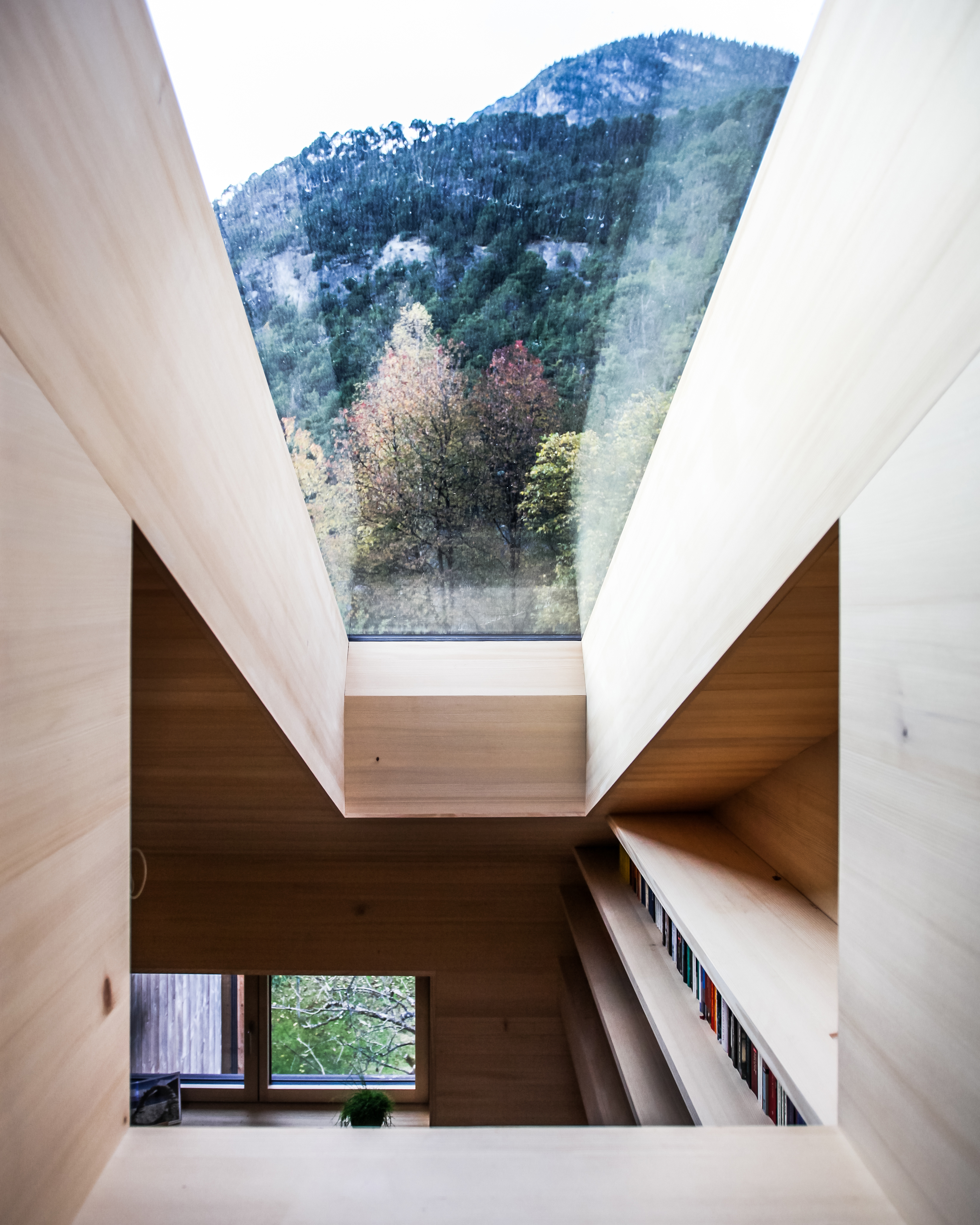
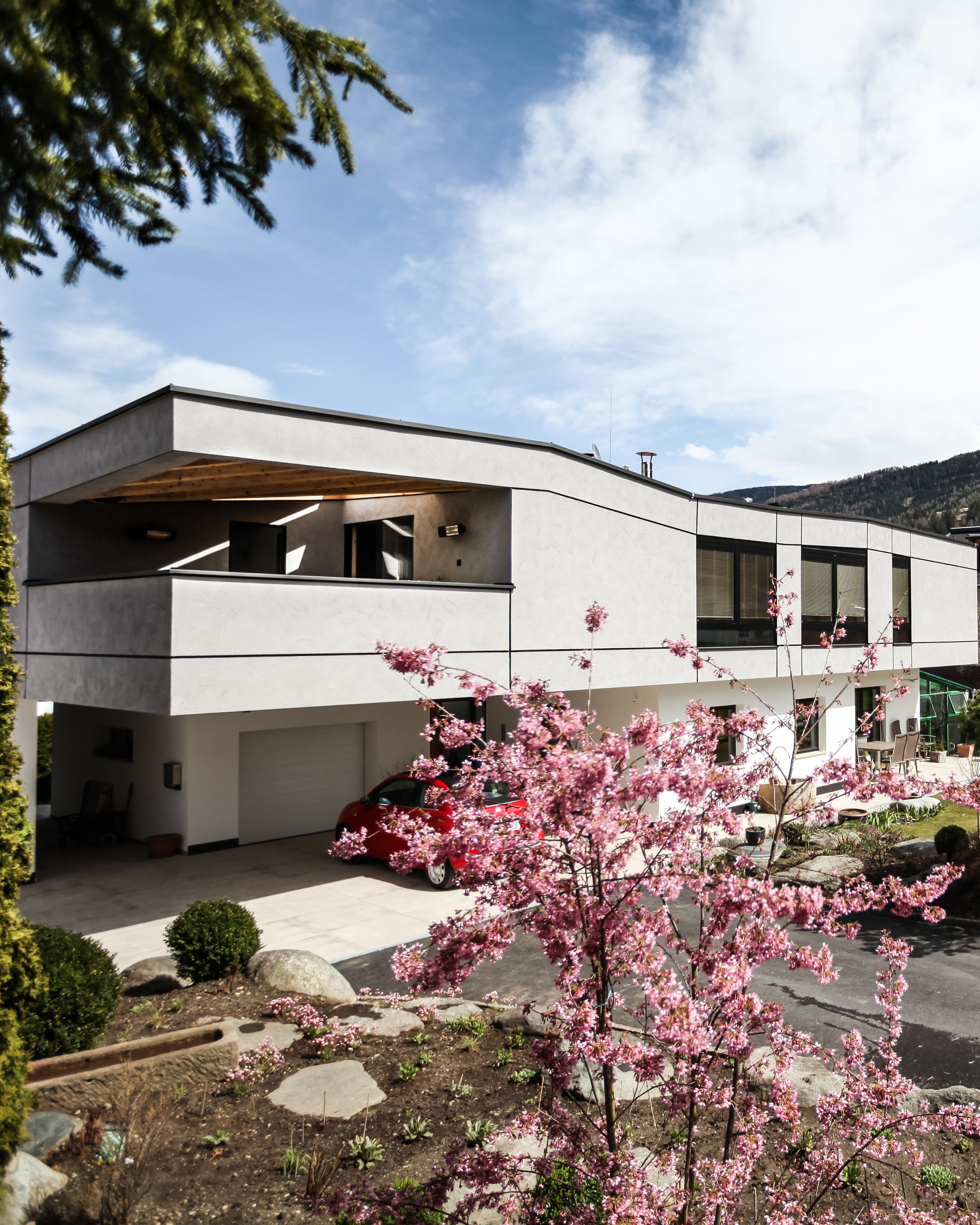
Rather, special sophistication is required to harmonize new and old. Due to the specifications of the existing building, ideas have to be thought of in a completely different way than for a new building - so, contrary to initial assumptions, very unusual and unique designs are also created here.
Depending on the requirements and circumstances, a balancing act must be achieved between the architectural past or the existing substance and the new. The interplay of these two components is often particularly appealing here. This always raises the question of the extent to which the existing building is changed or not changed. A wide variety of nuances are possible here.
Our "Harmony", "Mosaic", "Character" and "Sustainability" projects, for example, show what this can look like as a result. Here you can already clearly see how stylistically diverse building in existing buildings can be. "Harmony" shows the clever conversion of a stable building into a detached house, while the other three projects are extensions.
Modernizing the existing without losing the connection to the original; harmonizing the new and the old to create a harmonious, homogeneous or perhaps contrasting overall picture is what makes building in existing structures architecturally interesting.
CULTURAL ASPECT
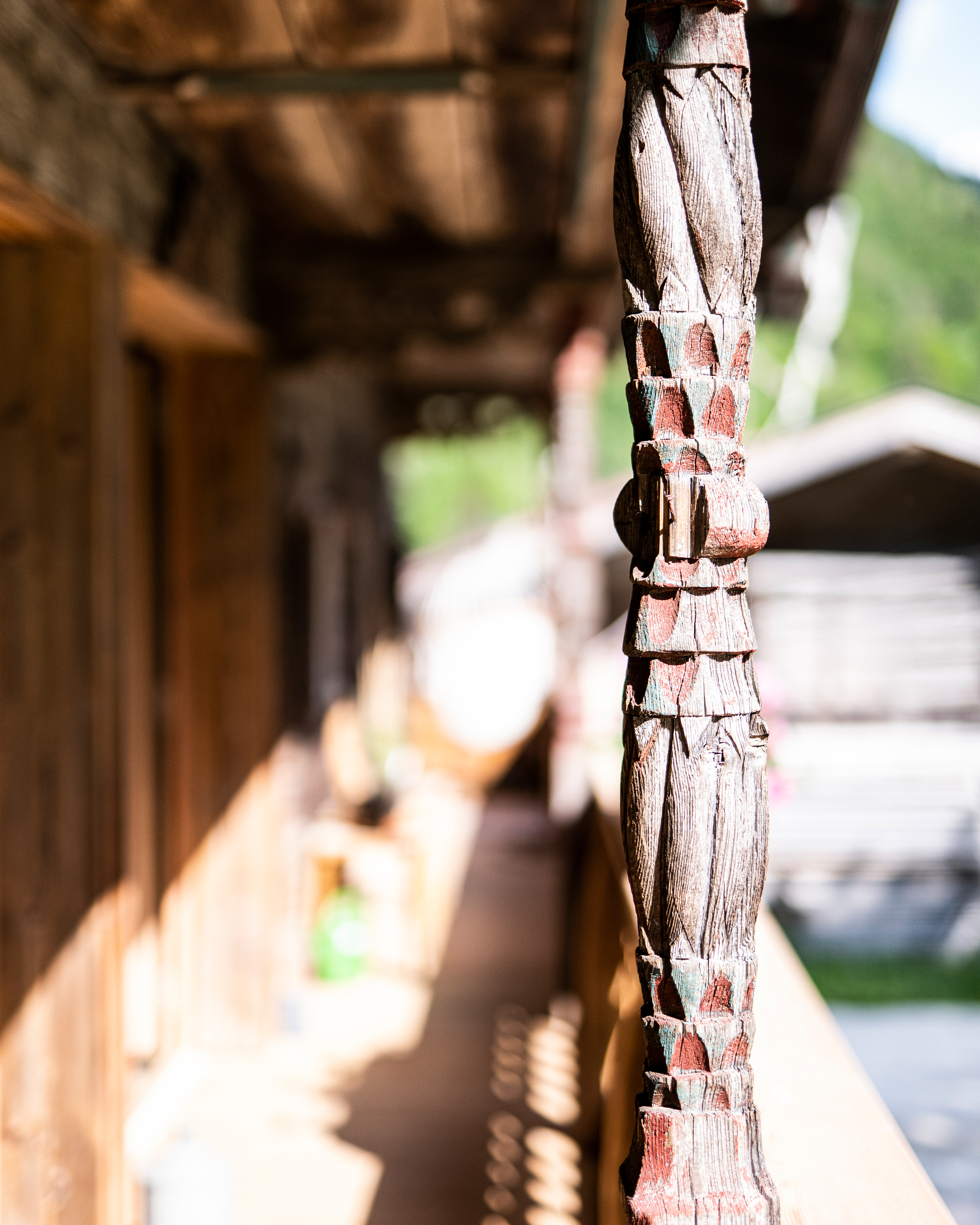
Building in existing buildings can also mean appreciating and preserving cultural heritage. Old houses often have a special character and thus make a significant contribution to the cultural heritage of our society. These old buildings, some of which are full of memories, values and ideas, must be preserved for posterity. It is particularly beautiful when these objects are simultaneously filled with new life. If the present finds its place in the past and the past retains its place in the present, the cultural value will be accessible for many years to come.
Our "History" project is an example of such a symbiosis of past and present in which the existing building has been preserved as far as possible. Here, a farmhouse with over 600 years of history has been lovingly renovated in order to maintain a dialog with the tradition that emanates from this house.
It is therefore clear that building in existing buildings is a wide-ranging field that has a lot to offer and is also very interesting from an architectural and artistic perspective. Due to the great importance of existing buildings in terms of sustainability and land scarcity, it can also be assumed that we will see and realize many more exciting projects in this area in the future.