

In an interview.
Founder: Thomas Krämer, Bmst. Ing., BSc
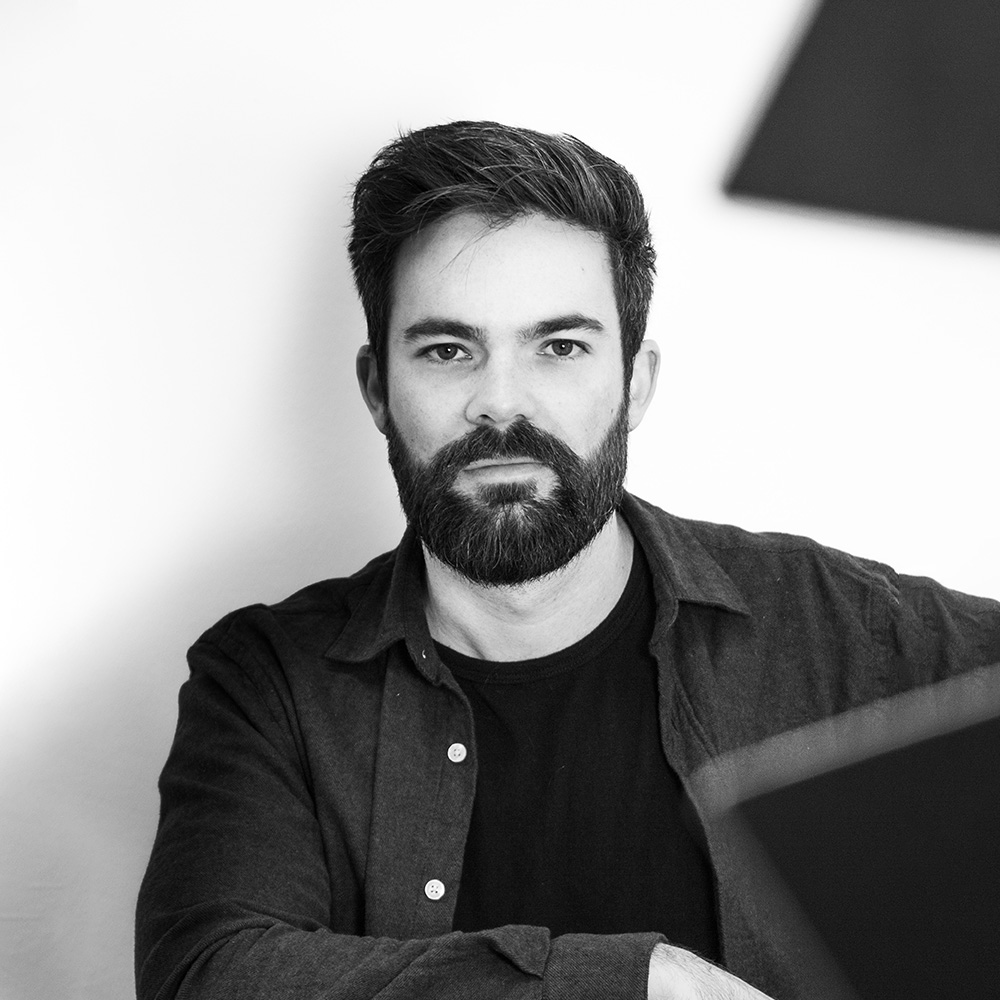
In 2012, Bmst. Thomas Krämer, BSc. founded the company S.N.O.W. Planungs und Projektmanagement GmbH. In this interview, he talks about his inspirations and his dedication to architecture.
What does architecture mean to you?
Thomas: For me, architecture means emotion in every respect. Feeling spaces, being touched by them and thus feeling architecture is what matters to me. Free from any constraints that only allow certain styles, I try to design across styles and gain something from everything.
Why did you decide to make architecture your future career?
Thomas: I was allowed to grow up in a family that didn't have much after the war and the refuge. All my grandparents could pass on to my parents was to build their own home with their own hands without much specialist knowledge. The only thing they had was a tireless passion for building, and I took this passion with me and embarked on my journey into the trades and then into architecture. Although the original passion for building in our family was born out of necessity, the artistic streak was always very present.Combining craftsmanship with art is what drives me. Creating spaces, building thoughts and creating buildings for (hopefully) eternity is what inspires me. Incorporating global problems, climate protection and the spirit of today into all thoughts is what keeps me busy.
In your opinion, which construction method makes the most sense today?
Thomas: I don't think there is a general answer to this question. The most sensible construction method for the individual property is usually a reaction to the analysis of the location, the climate conditions, the available resources and the requirements for the building. However, what must always be taken into account nowadays with all the aforementioned points is the impact on the climate and the world.
Why is timber construction important to you?
Thomas: Wood has inspired me from an early age. Working with wood was a great pleasure for me from the very beginning. I think that a lot of this can be attributed to instincts and traditional knowledge. That's why I decided to go down the path of timber construction technology at the beginning of my apprenticeship, which I confirmed after completing my training by studying architecture. In addition, timber construction in today's engineering and innovative approach provides the answer to many open questions in the construction industry and in climate protection.
Do you see the future of architecture in timber construction?
Thomas: I think that depends entirely on the sector. Building an airport purely in timber construction and being successful with it is inconceivable today. In residential construction, however, the situation is completely different. In my opinion, the architectural future therefore lies only partly in timber construction, but this will not slow down success in the appropriate sectors.
What is important to know if you are planning to build a house out of wood?
Thomas: In terms of private house construction, I would describe the passion for the material and the innermost desire to live in a timber house as the primary driving force. Throughout the planning and construction process, there will always be voices in favor of "conventional" construction methods, which will often recommend moving away from timber construction. To counteract these voices requires a certain conviction in timber construction.
How would you describe your architectural style?
Thomas: I definitely have an attraction to minimalism, but this is not applied across the board in the design. I would therefore rather say that the reduction of minimalism in my designs is often applied in individual details. However, in all my designs, which should not always be assigned to a specific style, it is important to me to think freely, to question everything and ultimately to create a design that can carry a message and show that it contains a lot of thought. When it comes to the feel and the use of materials, there are no questions unanswered for me, so I always try to use natural materials and examine their use in terms of sustainability.
As an entrepreneur but also as an architect, what do you think your role is in terms of sustainability?
Thomas: On the one hand, always questioning whether we would still be doing this in 25 years' time - when things will probably be even worse for the environment. On the other hand, we also have to analyze whether the effort is paying off, whether the path will last, and even more so whether the building will have a long life.In addition to a sustainable design process and an ecological choice of materials, architecture has a decisive weapon in climate protection that is unfortunately used far too rarely: to create buildings that are so architecturally outstanding that they are preserved and no longer have any value after too short a period of use due to poor architectural planning and a lack of art.
What do you think architecture will look like in the future?
Thomas: I think that we will also see a divide in architecture in terms of development. I see the urge for dynamism on one side and the urge for calm on the other. Both halves have their justification and will therefore not stand in each other's way in a positive sense. As an example, in residential construction I only see room for the urge to rest in order to escape the stresses of everyday life. In public buildings, however, there is understandably a lot of potential for the urge to be dynamic. I leave it to the designers to decide in which architectural styles the two halves find their expression.
What is S.N.O.W.'s corporate philosophy?
Thomas: As the name suggests, we try to think in all directions (south - north - east - west) and thus develop projects with a sustainable mindset, free from restrictive styles. Within the team, this means giving employees enough freedom in their management to stimulate the creative design process.
What is your inspiration for your work?
Thomas: I try to see my inspiration in the most diverse things. Going through life with open senses and translating experiences, stories I've heard and emotions I've felt into my own process inspires me.
Thank you for the interesting and personal insights.